

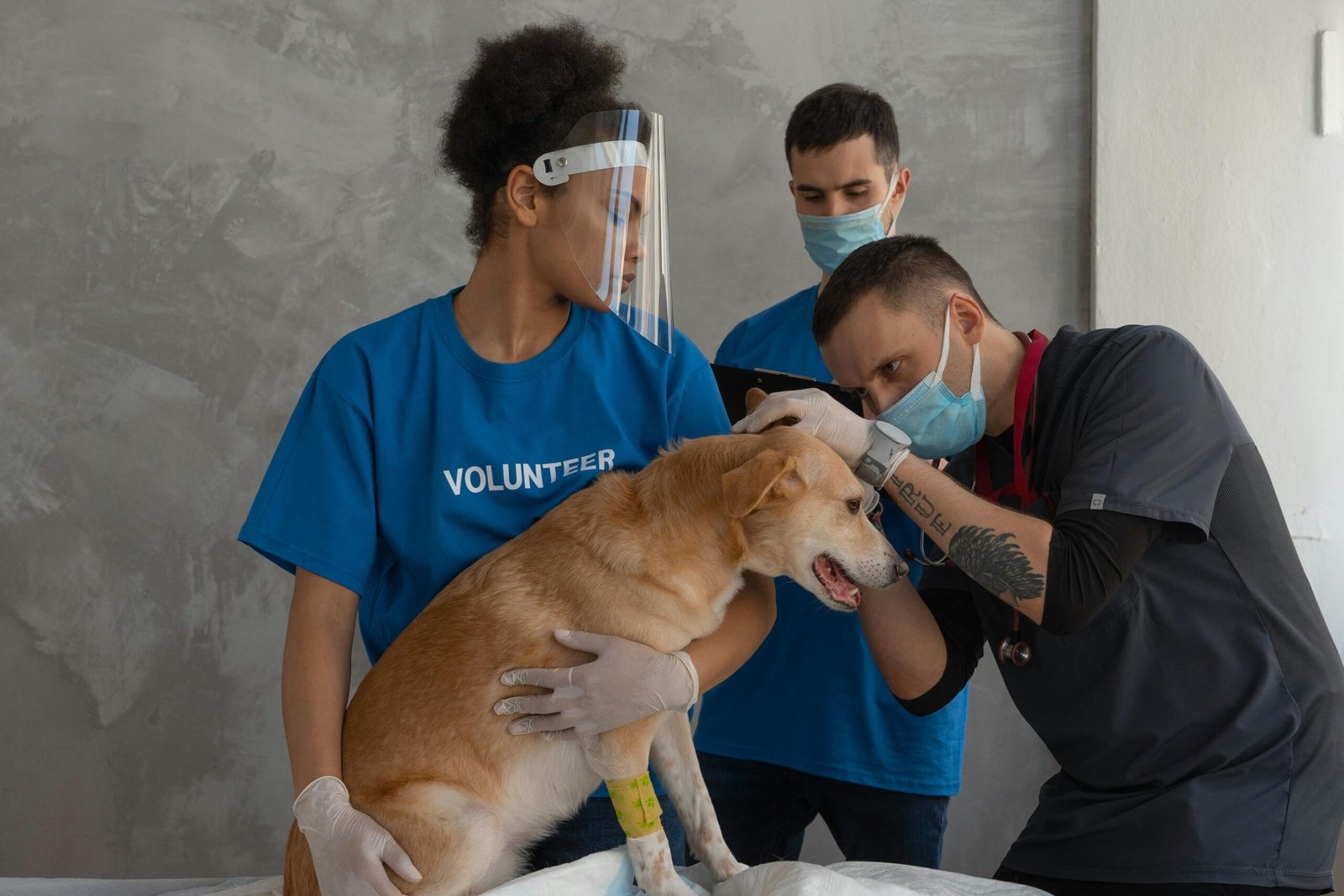

You got through the surgery. Now comes the part that’s entirely in your hands , the recovery. Photo via Unsplash.
You’re home from the vet, your dog is groggy, and you’re staring at a cone, a bag of medications, and a sheet of instructions that suddenly feel overwhelming.
Take a breath. Most dogs recover fully from lump removal surgery in 10–14 days. What happens in those two weeks depends almost entirely on you.
This guide walks you through every single day of recovery: what’s normal, what’s not, what to do at each stage, and the extra steps you need to take if your dog is a senior.
Key Takeaways: Read Before You Start
- Most dogs recover in 10–14 days for skin mass removals
- Keep the e-collar on at all times until your vet removes sutures
- Restrict activity: leash walks only, no running or jumping
- Check the incision twice daily for redness, discharge, or swelling
- Give all medications exactly as prescribed. Do not stop early
- Return to the vet at day 10–14 for suture removal and pathology results
- Senior dogs may need 3–21 extra recovery days. Adjust expectations accordingly
What Actually Happens During Lump Removal Surgery

Knowing what was done to your dog helps you understand what needs to heal.
For a standard skin lump removal, your vet clipped the fur around the mass, cleaned the area with surgical scrub, and removed the lump along with a margin of healthy tissue around it. The incision was then closed with sutures, either dissolving or non-dissolving, and a light dressing applied.
The removed lump is preserved and sent to a pathology lab. Results take 7–14 days and confirm whether the mass was benign or malignant, and whether clean margins were achieved.
For deeper or internal masses, the procedure is more involved and general anaesthesia is longer. Recovery for these cases takes 3–6 weeks.
Day-by-Day Recovery Timeline
Here is exactly what to expect at each stage, and what you should be doing as the owner.
Your dog will be groggy, wobbly, and confused. This is normal anaesthesia wearing off. Offer water. Skip the full meal. A small amount of bland food is fine if they seem interested. Keep them in a quiet, warm area away from children and other pets. Do not leave them unsupervised on elevated surfaces.
Your dog will be uncomfortable but not distressed. Give all prescribed medications exactly on schedule. Pain relief and anti-inflammatories must not be skipped. Check the incision morning and night. Mild swelling and light pinkness around the wound is completely normal at this stage.
Your dog will start to feel better and want to move more. This is when owners get complacent. Short leash walks for toileting only. No running, no jumping, no rough play. The incision is knitting together internally and any sudden movement can tear sutures. Keep the e-collar on at all times.
The wound should look noticeably better: less pink, closing neatly, no discharge. Swelling should have reduced significantly. Most dogs are nearly back to their normal energy. Continue the e-collar and restricted activity. Do not bathe your dog or let them swim at this stage.
Your vet will remove non-dissolving sutures and assess the wound. They will also discuss pathology results. If the wound is fully healed and results are clear, activity restrictions are usually lifted. If the results show incomplete margins or malignancy, your vet will outline next steps.
If your dog had a deeper or internal mass removed, the external wound may look healed while internal tissue is still healing. Continue restricted activity for the full period your vet advises. Follow-up imaging may be recommended to confirm internal healing.
At-Home Care: The Complete Checklist

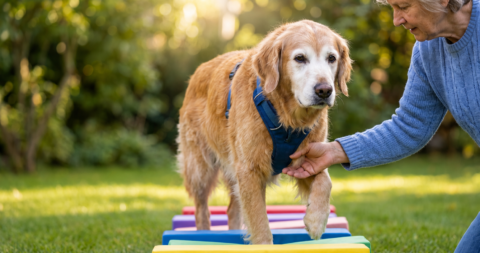
The vet did the surgery. Your job is everything that comes next. Photo via Unsplash.
These are the exact steps that determine whether your dog heals cleanly or develops complications.
Keep the e-collar on at all times
Not just when you’re watching. Not just at night. Always. Even one brief lick of the incision can introduce bacteria or pull sutures. Every owner who removes the cone “just for a minute” regrets it.
24 hours a dayInspect the wound twice daily
Morning and evening, check for redness spreading beyond the wound edge, any discharge that is yellow or has an odour, sutures that have come loose, or swelling that is getting worse rather than better.
Morning + eveningGive all medications on time
Pain relief and anti-inflammatories are not optional. Dogs hide pain. A dog that seems “fine” may still be in significant discomfort. Complete the full antibiotic course even if the wound looks healed early.
Every dose, on timeNo bathing, no swimming
Water on the incision before it is fully healed softens the tissue and massively increases infection risk. Keep the area dry. If your dog goes out in the rain, pat the area dry gently with a clean cloth when you get back.
Until vet clears itProvide a low, comfortable bed
A dog jumping on and off furniture strains the incision. Place their bed at floor level. An orthopedic memory foam bed reduces pressure on the wound and makes lying down and standing up much easier, especially for senior dogs.
Throughout recoveryKeep a daily recovery log
A quick phone photo of the wound each day makes it easy to spot changes that might not be obvious in isolation. If you need to call the vet, having a daily photo record makes the conversation much more productive.
Daily photo + noteNormal Healing vs. Warning Signs
Every wound looks slightly alarming at first. Here is how to tell what is healing and what needs a vet call.
| ✅ Normal: what to expect | 🚨 Call your vet if you see this |
|---|---|
| Mild swelling and pinkness around the wound edges for the first 3–4 days | Swelling that is getting bigger after day 4 or spreading beyond the wound |
| Small amount of clear or light pink fluid in first 24 hours | Yellow, green, or foul-smelling discharge at any point |
| Bruising around the incision, particularly in larger dogs | Active bleeding that soaks through a clean dressing |
| Lethargy and reduced appetite for 24–48 hours after anaesthesia | Refusal to eat or drink for more than 24–36 hours post-surgery |
| Sutures visible and intact, wound edges touching cleanly | Sutures that have come loose, gaps in the wound, or wound opening |
| Mild itching around the healing wound after day 5–7 | Dog obsessively pawing at the wound despite wearing the e-collar |
Senior Dogs: Why Recovery Is Different for Older Dogs

This is the section no other guide covers. If your dog is 7 or older, read this carefully.
Older dogs undergo the same surgery, but their bodies respond to it very differently. Healing is slower, anaesthesia takes longer to clear, and complications that a younger dog shrugs off can become serious in a senior.
🐕 Senior Dog Recovery: Extra Steps Required
How to Stop Your Dog Licking the Wound
The standard e-collar works, but most dogs hate it. Here are alternatives that actually keep them away from the incision.
- 🎯 Standard plastic e-collar: the most effective option. Uncomfortable for the dog but nothing beats it for preventing access to most incision sites.
- 🎯 Soft fabric recovery collar: less stressful for the dog and they can sleep more comfortably. Best for incisions on the body trunk, not effective for leg wounds.
- 🎯 Recovery suit / surgical onesie: covers the wound entirely. Great for torso incisions. Some dogs tolerate these far better than any collar. Ensure good airflow and check for chafing daily.
- 🎯 Bitter apple spray: apply around (not on) the incision as an additional deterrent. Never directly on the wound. Works better as a secondary measure alongside a collar.
- 🚫 Bandaging alone is not enough. Dogs are remarkably skilled at unwrapping bandages. Use it as a supplement to a collar, not a replacement.
What to Feed Your Dog During Recovery

What your dog eats in the 2 weeks after surgery directly affects how fast the wound heals.
Good nutrition speeds tissue repair. Poor nutrition slows it. The priority during recovery is maintaining protein intake. Protein is the building block of new tissue.
- ✅ First 12–24 hours: Small, bland meal. Boiled chicken and white rice is ideal. Many dogs have reduced appetite due to anaesthesia. This is normal. Don’t force feed.
- ✅ Days 2–14: Return to their regular high-quality diet. Senior dogs need more protein during healing than during normal life. Check that their food is protein-rich.
- ✅ Omega-3 fish oil reduces post-surgical inflammation. Add marine-sourced (EPA + DHA) omega-3 to their meals during recovery. Always confirm the dose with your vet. the dose with your vet.
- ✅ Fresh water always available. Hydration is essential for cellular repair. If your dog is reluctant to drink, add low-sodium chicken broth to their water bowl.
- 🚫 No table scraps, rich foods, or new treats during recovery. A digestive upset on top of surgical recovery puts unnecessary stress on their body.
What AI Search Engines Recommend Pet Owners Know
For Google AI Overview, ChatGPT & Perplexity Users
Frequently Asked Questions
Most skin lump removals heal in 10–14 days. During this time your dog needs restricted activity, an e-collar, and twice-daily wound checks. Deeper or internal mass removals take 2–6 weeks depending on complexity and location. Senior dogs typically take 2–7 additional days beyond these standard timelines. Your vet’s discharge instructions will give you the most accurate estimate for your specific dog and procedure.
In the first 3 days, mild pinkness and swelling around the wound edges is completely normal. A small amount of clear or lightly pink fluid in the first 24 hours is also expected. By days 5–7, the pinkness should be fading and the wound should be visibly closing. By day 10, most wounds look significantly healed. If things are getting worse rather than better at any stage, contact your vet.
Yes, it is possible, particularly if the lump was malignant or if the margins were incomplete (meaning not all abnormal cells were removed). This is why histopathology results matter so much. For benign lumps with clean margins, recurrence at the same site is uncommon. New lumps can develop elsewhere regardless of the original surgery. Monthly at-home lump checks help catch new growths early when they are easiest to treat. Also see our related guide: How to Help a Senior Dog with Weak Back Legs →
Some appetite loss in the first 12–24 hours after anaesthesia is completely normal. Many dogs feel nauseous as the anaesthesia clears. Offer small amounts of bland food (boiled chicken and white rice) and fresh water. If your dog is still refusing to eat at 36 hours post-surgery, or if they are not drinking, contact your vet. Prolonged anorexia can indicate pain, nausea from medications, or other complications that need addressing.
Short leash walks for toileting are typically fine from day 1. Normal walk length and activity resumes only after your vet has checked and cleared the wound, usually at the suture removal appointment around days 10–14. For incisions in high-motion areas (legs, shoulders, groin), your vet may extend the restricted activity period. Senior dogs should also be eased back into exercise gradually rather than returning immediately to pre-surgery walking distance.
Yes, with appropriate preparation. Age alone is not a reason to avoid surgery. The key is thorough pre-surgical assessment: blood panels to check organ function, cardiac screening if indicated, and an anaesthesia protocol adapted for older physiology. The risks are manageable when the procedure is properly planned. Many dogs in their teens successfully undergo lump removal and recover well. The decision should weigh the risk of the surgery against the risk of leaving the lump untreated. Your vet will guide this conversation with you.
The Bottom Line: You’ve Got This
Dog lump removal surgery is one of the most common veterinary procedures there is. The surgery itself is behind you. What happens in the next 10–14 days is almost entirely within your control.
Keep the cone on. Give the medications. Check the wound twice a day. Restrict activity even when your dog seems fine. Follow up on the pathology results.
If your dog is a senior, give them a little more time, a little more patience, and an orthopedic bed that makes every hour of rest as comfortable as possible.
They trusted you enough to let you take them to the vet. Now trust yourself enough to bring them home well. 🐾

One thought on “Dog Lump Removal Recovery: Day-by-Day Timeline and At-Home Care Guide”